

Perth has a reputation on the east coast for being the affordable, relaxed option. Half of that is still true.
The affordable half needs updating, and so does the assumption that you will simply fly over and pick somewhere. Perth has been growing faster than any other Australian capital, and that has made the rental market in particular genuinely difficult. Here is what to expect and where people actually land.
Start with the growth, because it explains everything else
A city adding people at that pace puts pressure on every part of the housing market at once, and the rental market feels it first. That is the context for everything below.
The rental market is the real challenge
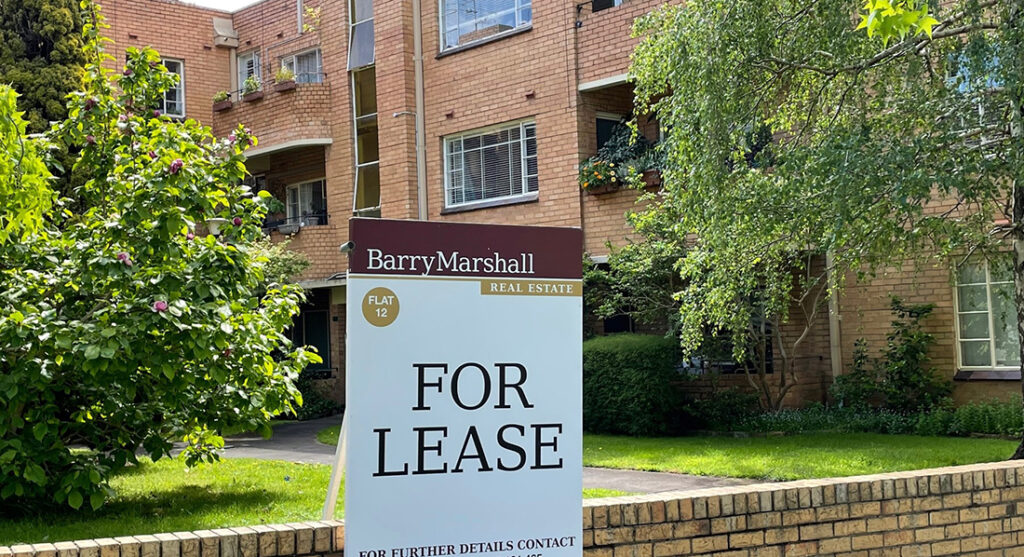
If you are renting first, which most interstate arrivals do, plan for this properly.
Perth’s vacancy rate has been extraordinarily tight. REIWA reported the vacancy rate hitting its lowest level in forty years, and it has stayed well under the 2.5 to 3.5 per cent range generally considered a balanced market. In practical terms that means competitive applications, inspections with queues, and very little room to negotiate.
Locals are blunt with newcomers about budgets, too. Arriving with a figure based on what Perth cost a few years ago is the most common mistake, and it wastes weeks.
One rule worth knowing
Under Western Australian tenancy rules, rent increases are generally limited to once every twelve months. That gives you a degree of certainty once you are in, which matters when you are landing in a tight market.
What buying actually costs now
This is where you need to read the source as carefully as the number.
REIWA reported a Perth median house sale price of $840,000 at the end of December 2025. Within weeks, other reporting had Perth’s median house price pushing through the one million dollar mark.
Both can be accurate. Different providers measure different things, some using sales recorded over a period and others modelled values across all dwellings. The practical lesson is to check which measure a figure comes from before you build a budget on it, and to look at suburb level data rather than the city median.
“Perth rewards people who arrive with a realistic budget and a flexible shortlist. The suburb matters far less than being organised enough to act quickly when the right place appears.”
Where east coast arrivals tend to settle
Perth sorts fairly neatly by what you want out of a weekend.
| If you want | Look at | The trade off |
|---|---|---|
| Inner, walkable, close to the city | Wembley, Mount Hawthorn, Leederville and surrounds | Popular and priced accordingly, smaller blocks |
| Beach first | The western coastal strip | The most expensive part of the city |
| Space and value with a train line | The northern and southern rail corridors | A longer commute and newer, less established streets |
| Established suburbia near shopping | Morley, Midland and the eastern centres | Less walkable, more driving |
| A short term landing spot | Anywhere with apartment stock and turnover | Less space, but a far easier rental search |
Wembley comes up repeatedly from locals as the practical sweet spot. Close to public transport, the beach and shopping, with Herdsman Lake nearby for walks, and importantly a good mix of townhouses and apartments, which means more stock turning over and a better chance of actually securing something.
That last point is underrated. In a tight market, suburbs with more apartment and townhouse stock give you more shots on goal than a suburb of tightly held family homes.
Transport, and what is being built
Perth is more car dependent than Sydney or Melbourne, but the rail network is better than visitors expect and it is growing.
Transperth runs Perth’s bus, train and ferry services across the metropolitan area, with train lines radiating out from the city centre.
Metronet is the Western Australian Government’s rail expansion programme, delivering new lines and stations across the metropolitan area, including the Morley to Ellenbrook line and the Thornlie to Cockburn link. If you are buying rather than renting, it is worth checking what is planned near your shortlist.
If you are buying your first home here
Western Australia has its own assistance and it is worth checking before you set a budget.
Western Australia offers a one off First Home Owner Grant of up to $10,000 for eligible applicants buying or building a new home, alongside a First Home Owner Rate of transfer duty for eligible buyers, each subject to conditions and value limits.
In short
- Perth was the fastest growing capital, at 3.1 per cent in 2023 to 2024 and 2.4 per cent in 2024 to 2025.
- The rental vacancy rate hit a forty year low and has stayed far below a balanced market.
- Securing a rental is usually harder than choosing a suburb.
- WA rent increases are generally limited to once every twelve months.
- Have a complete application pack ready before you start inspecting.
- REIWA reported a median house sale price of $840,000 at the end of December 2025.
- Other measures had Perth’s median house price through one million dollars in early 2026.
- Check which measure a figure uses before budgeting on it.
- Wembley and the inner north are the most commonly recommended balance of access and amenity.
- Suburbs with apartment and townhouse stock are easier to secure a rental in.
- The western coastal strip is the most expensive part of the city.
- Transperth runs the train, bus and ferry network.
- Metronet is adding lines including Morley to Ellenbrook and Thornlie to Cockburn.
- WA offers a First Home Owner Grant of up to $10,000 for eligible new homes.
- Test your commute at peak hour before committing.
Perth is still a genuinely good move for a lot of east coast families. Just arrive with a current budget, a flexible shortlist and your paperwork ready, because that combination matters more here than picking the perfect postcode.
Our guide to relocating to Perth covers settling in, our interstate removals to Perth page explains how a cross country move works, and if you are weighing the cost, keeping an interstate move affordable is worth reading first.